How AI Helps Create Personalized Workout Plans That Fit Every Lifestyle
Author:Mike Fakunle
Released:September 30, 2025
AI is changing how people train, making personalized workout plans easier to follow and understand. Many beginners want something simple that fits their busy lives, and AI offers clear steps that don't require guessing.
These tools study goals, fitness levels, and daily habits. They create routines that match real needs and adjust over time. This helps people stay safe, avoid burnout, and make steady progress without feeling lost.
Understanding the Real Purpose of AI-Powered Workout Plans
AI-powered fitness exists to remove confusion. Many people start with random routines that don't match their goals or skill level. AI fitness tools fix this by building plans based on real data.

Why People Search For AI Workout Planning
People want structure. They want to know the right reps, sets, and rest times. AI offers this without needing a coach in the room.
What “Personalized” Actually Means In Fitness
Custom training program exercises are selected based on the person’s body type, past injuries, and fitness history. It removes the “one size fits all” problem.
Key Problems AI Solves That Traditional Plans Don’t
AI adapts fast. As performance changes, the plan responds with adaptive workouts that keep progress steady.
How AI Collects and Analyzes User Data to Build Customized Plans
AI uses clear details to build strong routines. The more accurate the input, the better the output.
Core Data AI Uses
These include age, weight, workout history, daily steps, old injuries, and personal goals. This forms the base of the smart exercise guide.
How Motion Data From Phones And Wearables Improves Accuracy
Sensors track speed, range of motion, and effort. These insights flow into models that adjust difficulty.
How AI Identifies Patterns And Adjusts Plans
AI sees when progress slows and updates routines with new exercises or sets before results stall.
How AI Tailors Workouts to Different Fitness Goals
AI can support many types of goals by making small changes to each routine.
Muscle Gain Plans
They use progressive overload, slow increases in volume, and recovery tracking to help muscles grow safely.
Weight Loss Plans
AI watches heart rate, intensity, and calorie burn to shape steady fat loss while keeping energy high.
Flexibility And Mobility Plans
AI suggests stretches and mobility moves that improve joint comfort without sudden stress.
Endurance And Athletic Plans
Intervals, pace control, and heart-rate zones help build strong conditioning for long activity.
Features That Make AI Workout Plans More Effective Than Generic Routines
AI replaces guessing with data-backed choices.
Real-Time Plan Adjustments
If a session feels too hard or too easy, the next one changes automatically.
Technique Feedback
Video or sensor input gives form notes. For example, knee angle or back position errors can be spotted early.
Smart Progression
AI avoids jumps that could cause injury by gradually increasing the difficulty.
Daily Habit Tracking
Sleep, water intake, and activity patterns shape reminders that help people stay consistent.
How AI Uses Wearable Technology to Personalize Workouts Even Further
Wearables give AI a deeper view of the user’s day.
How Heart-Rate Tracking Shapes Intensity
Heart rate tells AI how hard the body is working. This helps shape safe, steady, adaptive workouts.
Sleep And Recovery Data
Poor sleep leads to reduced training intensity the next day. Many AI fitness tools adjust rest days with this info.
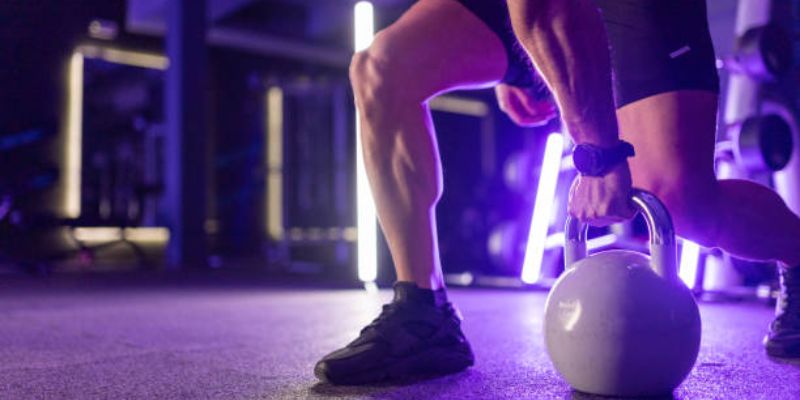
Movement Patterns And Activity Scores
Steps, posture, and movement speed add more detail to the smart exercise guide.
Integration Across Devices
Data from different devices form one clear picture of the body’s daily stress.
Comparing Human-Trainer Plans vs. AI-Generated Workout Plans
Both help people reach their goals, but each has its own strengths.
Accuracy And Consistency Differences
AI can track every session with exact numbers. A person may miss small details.
Cost And Accessibility Comparison
AI is cheaper and available at any time of day, making personalized workout plans easy for beginners.
Situations Where Human Trainers Still Matter
Humans provide deep emotional support, specialized support for special needs, or advanced coaching.
When AI Offers Better Improvements
AI shines when clear tracking, steady progression, and daily habits matter most.
Common Mistakes Users Make When Following AI Workout Plans
Even great plans fail when misused.
Ignoring Warm-Ups Or Form Cues
Skipping these leads to poor results or injury.
Providing Inaccurate Data
Wrong weight, wrong activity level, or skipped progress logs confuse the custom training program.
Skipping Check-Ins
AI depends on updates. Without them, the plan may stall.
Expecting Instant Results
Growth takes time, even with strong AI fitness tools.
Safety and Reliability: How AI Ensures Workouts Stay Safe
Safety is built into the system.
Injury Prevention Through Pattern Analysis
AI watches movement trends for signs of strain. Many platforms build their rules on research from groups focused on athletic training insights.
Overexertion Warnings
Heart-rate zones trigger alerts when the body is working too hard.
Gradual Progression Rules
AI uses slow steps to avoid harmful spikes in training load.
Transparency In Recommendations
Users can see why changes appear in their smart exercise guide.
Practical Examples of Personalized Workout Plans Built by AI
Here are examples based on real user needs.
Beginner Strength Profile
AI gives simple moves, slow increases, and clear rest days.
Busy Adult Needing Short Home Workouts
AI selects short sessions and uses at-home items, often shaped around research from health activity summaries.
Weight-Loss Plan
Daily steps, heart rate, and intensity shape steady progress.
Advanced Athlete Routine
AI focuses on range of motion, speed improvements, and targeted drills.
How AI Continues Improving Through Machine Learning
AI learns from each session.
How AI Learns From User History
If someone gets stronger faster than expected, the model increases the difficulty sooner.
How Global Data Improves Workouts
Large datasets help AI know what works best for many body types. This idea also appears in resources related to modern tech insights.
Predictive Modeling For Plateaus
AI senses slowdowns and edits the custom training program before progress stops.

What to Look for When Choosing an AI Workout App
Not all apps offer the same features.
Data Transparency And Privacy
Clear rules help users trust the AI fitness tools.
Adaptive Updates
Plans should be refreshed often based on changing performance.
Device Integration
Wearable support strengthens the smart exercise guide.
Support For Many Training Styles
Strength, cardio, mobility, and home plans should all be included.
Why Long-Term Fitness Success Improves With AI Personalized Workout Plans
AI helps people stay active by offering structure, variety, and support. The steady updates, safe steps, and goal-based routines make personalized workout plans easier for anyone to follow. With strong progress tracking and adaptive workouts, long-term gains become more realistic. Each small improvement shapes a plan that grows alongside the person using it.
Sources
Don't Miss

Easy AI Tools to Create Videos and Music Without Experience
AI Conversational Tools for Mental Health Support: Beyond Traditional Therapy

AI Code Review in 2026: From Assistants to End-to-End Quality Guardians

The Future Of Work: Jobs AI Will Create, Not Replace

AI Vs Traditional Software: What’s The Real Difference People Should Know?